How to Build an AI App Without Writing Code
Artificial intelligence is no longer a technology reserved for engineers and data scientists. Tools that let anyone create a working AI application have become more accessible, and the demand for practical skills in this area is growing quickly. For professionals who want to stay relevant, understanding how to plan, build, test, and launch a simple generative AI app is a valuable capability. This article explains the core steps involved and what to consider before starting your own project.
Understanding What an AI App Actually Is
Before you build an AI app, it helps to be clear about what that phrase means in practice. A generative AI app is a software application that uses a language model or image model to produce new content. Instead of simply retrieving data from a database, the app generates text, images, or other outputs based on the input it receives. Common examples include chatbots that answer customer questions, tools that draft email responses, and systems that create marketing copy from a few keywords. Workforce Learning United Ceres College build an AI app
The key point is that you do not need to train a model from scratch. Modern platforms provide pre-trained models that you can connect to a simple user interface. The real work lies in deciding what the app should do, designing how the user interacts with it, and testing that the outputs are useful and safe.
Planning Before Building
Every successful app starts with a clear problem to solve. Ask yourself: what task does this app automate or improve? Who will use it, and what kind of input will they provide? For example, a customer support chatbot for an online store might take a short question and return a helpful answer based on product information. The scope should be narrow enough to finish in a short time but still deliver real value.
Sketch out the conversation flow or the sequence of actions a user takes. Identify the data your app needs. If you are building a tool that summarises meeting notes, you need a place where users can paste or upload text. If you are building a recommendation engine, you might need a simple list of options. The planning phase also includes thinking about what can go wrong: what happens when the input is unclear, or when the model gives an answer that is not helpful. Planning for these edge cases saves time later.
Choosing the Right Tools
Several no-code and low-code platforms now let you build an AI app without writing a single line of code. These platforms provide drag-and-drop interfaces, pre-built templates, and connections to large language models. The choice of platform depends on your specific requirements. Some platforms are better for chatbots, while others excel at document processing or image generation.
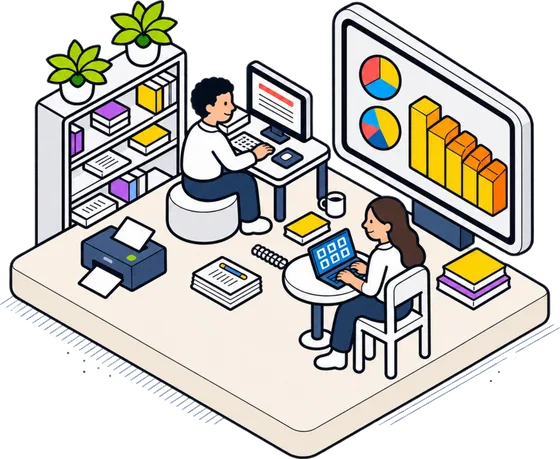
When evaluating a platform, consider the following factors:
- Ease of use: can you set up a working prototype in a few hours?
- Model access: which language models does the platform support?
- Data handling: how does the platform manage user inputs and outputs?
- Deployment options: can you share the app with others or embed it on a website?
Testing these criteria against your project helps you make an informed decision without getting locked into a tool that does not fit.
Building the First Version
Once you have a plan and a platform, the building phase is largely about configuring the app's logic. You define the prompts that the app sends to the language model, set parameters like temperature and max tokens, and connect input fields to the model's response. Most no-code tools let you test the app as you build, so you can see immediately how changes affect the output.
Start with a simple version that handles the most common use case. For example, if you are making a recipe generator, first make it work for a single type of cuisine and a few ingredients. The goal is to get something functional quickly. You can always add complexity later. This approach reduces frustration and keeps the project moving forward.
Testing for Quality and Safety
Testing is the step where many projects stumble. An AI app that works in a demo may fail in real use because users ask unexpected questions or the model produces irrelevant answers. Systematic testing helps catch these issues before the app reaches real users.
Test a wide range of inputs, including edge cases: empty input, very long input, input in different languages, and input that includes typos or slang. Check that the app handles each case gracefully. For instance, if a user types nothing, the app should not crash. It should respond with a polite request for more information.

Safety is another critical concern. Generative models can produce biased or inappropriate content. Build safeguards into your app. Set content filters, restrict the model's output to a certain format, and include a way for users to report problems. A responsible app gives users confidence that it will not cause harm.
The program Workforce Learning United Ceres College build an AI app teaches exactly this kind of hands-on process. Participants learn to move from idea to working prototype in two days, covering planning, building, testing, and launching. The course is designed for working adults who want to apply AI to real business problems without needing a technical background.
Launching and Iterating
Launching an AI app does not mean the work stops. After you share the app with initial users, collect feedback and watch how people actually use it. You may discover that users try to do things you did not anticipate. That feedback is gold. Use it to refine the app: adjust prompts, add new features, or simplify the interface.
Iteration is a natural part of the process. The first version of any app is rarely the best. Plan for a cycle of small improvements rather than aiming for perfection on day one. This mindset keeps the project manageable and ensures that the app gets better over time.
Organisations that want to upskill their workforce often look for courses that deliver practical outcomes in a short timeframe. The Workforce Learning United Ceres College build an AI app program fits that need by compressing the entire workflow into two days. Participants leave not just with knowledge but with a deployed application they can show to colleagues and stakeholders.
Common Pitfalls to Avoid
Many first-time builders make similar mistakes. One is trying to build an app that is too broad. A chatbot that answers any question is much harder to make reliable than one that answers questions about a specific product or policy. Narrow the scope until you can confidently say the app works well for its intended purpose.
Another pitfall is neglecting the user interface. Even a brilliant AI model is useless if the app is confusing or ugly. Spend time designing a simple, clean interface that guides the user naturally. Use clear labels, placeholders, and error messages. The best AI app is one that feels intuitive to use.
Finally, do not skip documentation. Write down how the app works, what model it uses, what settings you applied, and how to update it. This information helps you or someone else maintain the app months later. It also makes it easier to share the app with team members who may want to build on your work.
Building an AI app is a skill that combines technical know-how with practical judgment. The tools are available and becoming easier to use every month. What matters most is a clear plan, careful testing, and a willingness to improve the app based on real feedback. With the right approach, anyone can create a generative AI application that solves a real problem.
Workforce Learning United Ceres College on social media
 Twitter
 LinkedIn
 Facebook
 Instagram
 YouTube